Seacoast NH Tick Control Specialists

Professional Tick Control in Seacoast NH

New Hampshire ranks among the highest in the country for Lyme disease. TickShield eliminates tick populations in Dover, Portsmouth, Rochester, and Somersworth yards before they reach your kids, your pets, and you. EPA-approved treatments. Family and pet safe. Free yard inspection to start.

Free Yard Inspection Get Free Quote Call Now
#3 New Hampshire ranks #3 nationally for Lyme disease cases. Most exposures happen in your own backyard.
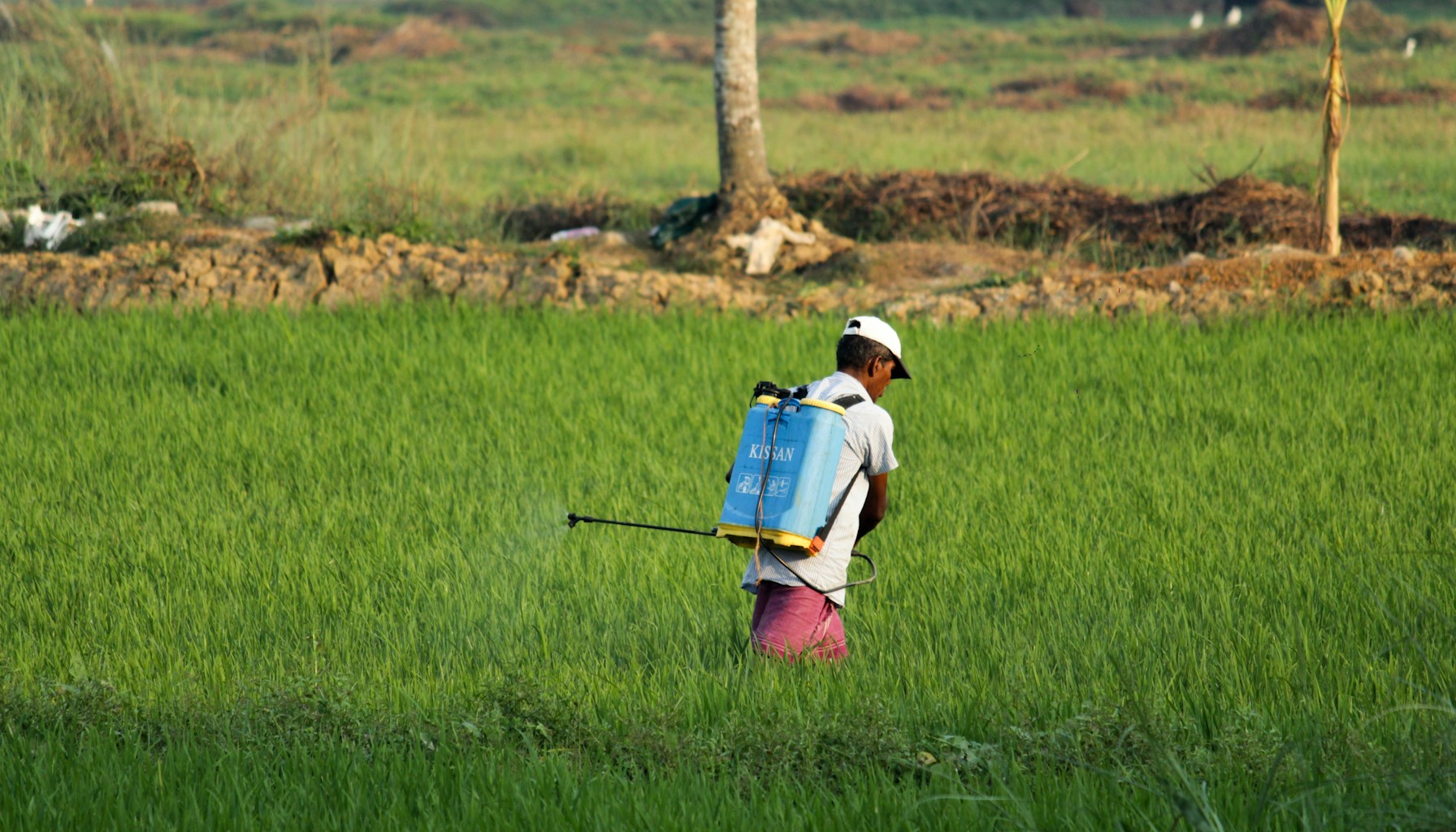
Professional pest control technician treating a residential yard for ticks in Seacoast NH
EPA-Approved Products
Family & Pet Safe
Safe Re-entry in <4 Hours
Seacoast NH Local
Free Yard Inspection

What Professional Tick Control Actually Looks Like

Tick control isn't one product applied once and forgotten. It's a targeted approach that eliminates active tick populations, creates a chemical barrier against reinfestation, and keeps protection current through NH's full tick season.

01 — POPULATION ELIMINATION

Kill Active Ticks First, Then Hold the Line

The first application targets existing tick populations — nymphs and adults waiting in your yard's hotspots. Subsequent treatments maintain the barrier so new ticks can't reestablish. You get immediate reduction plus ongoing protection.

02 — ZONE-TARGETED TREATMENT

We Treat Where Ticks Live, Not the Open Lawn

Ticks don't live in mowed grass. They live at the edges — woodland transitions, stone walls, leaf litter, ornamental shrub bases. We inspect your property first and target every high-risk zone, not just the easy-to-spray turf.

03 — LYME DISEASE PREVENTION

Blacklegged Tick Control Is Lyme Prevention

Lyme disease is transmitted by blacklegged ticks (deer ticks). Reducing tick populations in your yard directly reduces your family's Lyme exposure risk. NH has some of the highest Lyme rates in the country — a treated yard is a meaningful line of defense.

04 — SEASONAL COVERAGE

Protection That Runs the Full NH Tick Season

NH ticks are active from April through October — including the dangerous nymph period in May and June when ticks are hardest to spot. Our seasonal programs are timed to NH's actual tick activity calendar, not a generic national schedule.

Know the Risk

Tick-Borne Diseases in New Hampshire

NH ticks carry more than Lyme. Understanding what's in your yard is the first step toward protecting your family. These are the three diseases TickShield customers are most concerned about — and why professional tick control matters.

Highest Risk

Lyme Disease

Transmitted by the blacklegged tick (deer tick). NH routinely ranks top 5 nationally for confirmed Lyme cases. Symptoms include the bullseye rash, fever, fatigue, and joint pain — but roughly 30% of cases have no rash. Untreated Lyme can cause long-term neurological and joint damage.

#3
NH national ranking for Lyme disease incidence
Serious Risk

Anaplasmosis

Also transmitted by the blacklegged tick. Cases are rising in NH and across New England. Symptoms appear 1–2 weeks after a bite: fever, chills, severe headache, muscle aches. Requires prompt antibiotic treatment. Older adults and immunocompromised individuals face the highest severity risk.

↑ Rising
Anaplasmosis cases trending up in NH year over year
Emerging Risk

Babesiosis

A malaria-like illness transmitted by the blacklegged tick. Historically rare in NH, cases are increasing as the tick range expands. Causes flu-like symptoms, anemia, and fatigue. Can be severe or fatal in people without a spleen or with weakened immune systems. No approved vaccine exists.

Expanding
Geographic range of blacklegged ticks expanding northward annually
Our Process

From First Call to Protected Yard

Four steps. No guesswork, no surprise charges, no disappearing after the first visit.

1

Inspect

We walk your property and identify every tick hotspot — wooded edges, stone walls, leaf litter, ornamental shrub lines, shaded drainage areas. You see exactly where your exposure is before any product touches your yard.

2

Assess

Based on your property's actual risk profile, we scope treatment zones and give you a flat quote. No upsells, no "we found more issues" surprises on the day of service. The price you hear is the price you pay.

3

Treat

We apply EPA-registered barrier treatments to every identified zone — perimeter edges, woodland transitions, stone walls, shrub bases, tall grass. Treatment takes 30–60 minutes. Your family can re-enter safely in under 4 hours.

4

Protect

We schedule follow-up applications timed to NH's tick activity peaks — early spring emergence, peak summer season, fall adults. Continuous coverage means protection doesn't lapse when tick activity is highest.

Why NH Is High-Risk

Seacoast NH Is Prime Tick Territory

New Hampshire's landscape — wooded lots, stone walls, leaf litter, wildlife corridors — is exactly what ticks need to thrive. The Seacoast region sits at the center of one of the highest Lyme disease zones in the country.

Dover properties backing up to wooded buffers, Portsmouth's older neighborhoods with untreated stone walls, Rochester's wooded subdivisions, Somersworth's creek-adjacent lots — these aren't random risk factors. They're structural features of how Seacoast NH properties are built.

  • Wooded lot buffers provide permanent tick habitat directly adjacent to your yard
  • Stone walls are rodent highways — rodents are the primary tick host for Lyme-carrying nymphs
  • Heavy leaf litter provides the humidity ticks need to survive through winter and spring
  • White-tailed deer move adult ticks directly into treated zones unless perimeter defense is maintained
  • NH's tick season runs April through October — longer than most homeowners realize
  • Nymph ticks (May–June) are the most dangerous: they're poppy-seed sized and hard to detect
🌲

Wooded Edges & Tree Lines

The 6-foot transition zone between your lawn and the woods is where 80–90% of tick encounters happen. This is the primary treatment zone for every property we service.

🪨

Stone Walls & Rock Features

Stone walls are rodent corridors. Mice and chipmunks that carry immature ticks use these features constantly. We treat the base and gaps as a priority zone on every property that has them.

🍂

Leaf Litter & Ground Cover

Fallen leaves and dense ground cover trap moisture ticks need to survive. Spring and fall leaf deposits are treated before ticks reactivate — not after you've already been outside all season.

🦌

Deer Pressure & Wildlife Corridors

Deer deposit adult ticks throughout your yard on every pass. Perimeter barrier treatments reduce how many survive long enough to reproduce — breaking the reinfestation cycle.

Why TickShield

Tick Control That Actually Works — Not a Spray-and-Leave Service

Most tick services apply one product to the open lawn and call it done. We treat the actual tick habitat with a program built around NH's tick season. Here's the difference.

EPA-Registered, Label-Rate Application

Every application is at the EPA-registered label rate — effective against blacklegged ticks and dog ticks, controlled enough to be safe for families and pets after drying. We don't improvise on chemistry.

Property Inspection Before Every Visit

Tick habitat changes season to season. Leaf litter, new wildlife activity, ground moisture shifts — we check before we spray. Spraying without inspecting is how you miss the actual problem.

Follow-Up Included, Not Upsold

We follow up 2–3 weeks after treatment to confirm tick reduction. If you're still seeing activity in treated zones, we come back — no new appointment required, no added charge.

Seacoast NH Specialists

We serve Dover, Portsmouth, Rochester, and Somersworth exclusively. We know the difference in tick pressure between a Rochester wooded subdivision and a Portsmouth harborside lot. Local matters in tick control.

Safe for Kids & Pets

Formulas are selected specifically for yards with children and pets. Kids and dogs can re-enter in under 4 hours after treatment dries. No tradeoff between effective tick control and a safe yard.

Timed to NH's Tick Calendar

Seasonal programs run from early spring nymph emergence (the most dangerous period) through fall adult tick season. Scheduled to NH's actual activity calendar — not a one-size-fits-all national schedule.

Your Family. Your Yard.

Lyme disease starts with one tick bite in your backyard.

You can't see a nymph tick — they're the size of a poppy seed and they're the most likely to carry Lyme. Your kids playing in the backyard, your dog running through the edge of the lawn, you sitting on the deck — every one of these is a tick exposure opportunity if your yard isn't treated. One barrier treatment doesn't just reduce a number. It closes the gap between your family and a disease that takes months to diagnose and years to fully recover from.

Get Your Free Yard Inspection No obligation. We'll walk your property and show you exactly where the risk is.
Free — No Obligation

Get Your Free Tick Control Inspection

We'll walk your property, identify tick hotspots and Lyme risk zones, and give you a clear quote for professional tick control. Serving Dover, Portsmouth, Rochester & Somersworth NH.

No spam. No sales pressure. We'll call within 1 business day.

Your yard should be safe for your family.

A free inspection takes 20 minutes. You'll know exactly where your tick risk is and what it costs to eliminate it — no obligation, no pressure, no sales call.